

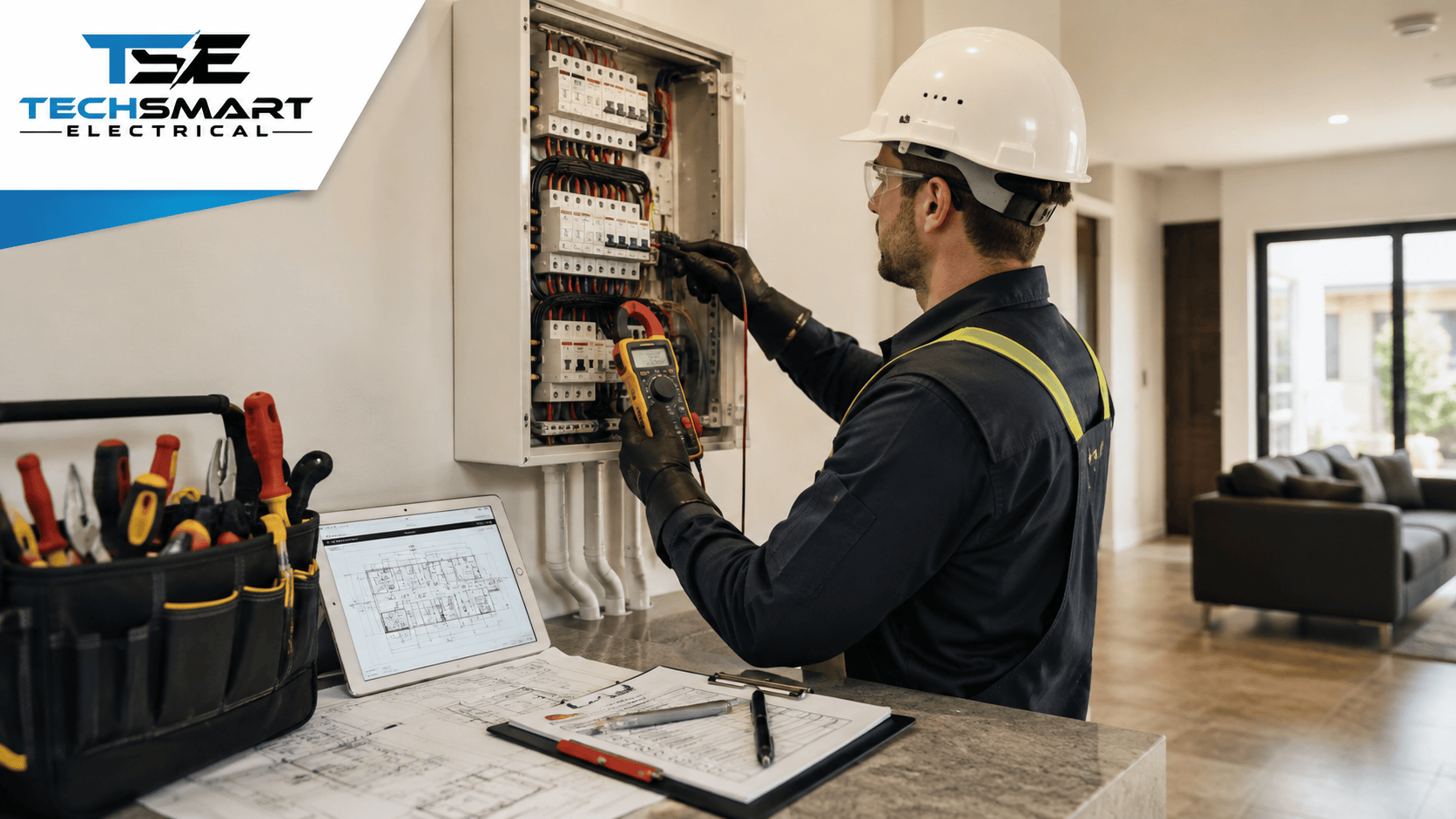
Electrical problems rarely happen at a convenient time. A power point may start sparking late at night, a burning smell may appear when you switch on an appliance, or part of your home may suddenly lose power while everything else continues working.
Some electrical faults are minor and can safely wait for a scheduled appointment. Others can indicate a serious hazard that needs immediate attention.
Knowing the difference is important.
If you are dealing with an active electrical hazard, contacting an emergency electrician Sunbury residents can rely on is often safer than attempting to diagnose or repair the problem yourself. Electrical faults can involve damaged wiring, overloaded circuits, faulty appliances, or deteriorating components that are not always visible from the outside.
This guide explains the warning signs that should not be ignored, what to do before an electrician arrives, and when a problem is more than a routine electrical repair.
Why Some Electrical Problems Require Immediate Attention
An electrical emergency is not necessarily defined by a complete loss of electricity. In many cases, the warning signs appear before a major fault develops.
For example, a power point that feels unusually hot may indicate excessive electrical resistance or an overloaded connection. A burning smell near a switchboard can point to overheating insulation or electrical components. Repeated circuit-breaker trips may indicate a fault somewhere within the circuit.
These situations deserve attention because electricity can create heat, arcs and ignition sources. A fault that seems manageable at first can worsen when the circuit continues to operate.
A qualified Sunbury Electrician can investigate the underlying cause rather than simply restoring power and leaving the original problem unresolved.
Routine Fault or Electrical Emergency?
A useful distinction is whether the problem presents an immediate risk to people, property or the electrical system.
A routine issue might include:
An electrical emergency may involve:
When there is an immediate hazard, delaying an assessment simply because the electricity still appears to be working can be risky.
Emergency Electrician: Warning Signs You Should Not Ignore
The most important skill for homeowners is recognising warning signs early.
You do not need to identify the exact electrical fault yourself. Your priority is to recognise when something appears abnormal and take sensible precautions.
Sparks Coming From a Power Point or Switch
Occasional visible sparks when connecting or disconnecting a plug can sometimes occur, but persistent, unusually large or repeated Sparks should never be treated as normal.
Electrical sparks can result from:
If a power point produces sparks, crackling sounds or a flash accompanied by a burning smell, stop using it.
Do not repeatedly plug an appliance into the outlet to see whether the problem happens again. That can increase the risk of further arcing or overheating.
If it is safe to do so, switch off the relevant circuit without touching damaged components. If you are unsure which circuit is involved or there is smoke, fire or significant damage, move away from the area and seek emergency assistance.
A Burning Smell Near Electrical Equipment
A persistent burning smell around a switchboard, power point, light fitting or appliance deserves immediate attention.
Electrical insulation and components can become overheated before visible smoke appears. The smell may resemble burning plastic, rubber or an unusual chemical odour.
One real-world scenario is a homeowner noticing a faint burning smell near a frequently used kitchen outlet. The outlet may continue supplying power normally, which can create a false sense of security. However, heat generated by a loose connection can progressively damage surrounding materials.
Do not assume the smell will disappear on its own.
Disconnect an appliance if doing so is safe, keep away from visibly damaged equipment and arrange an urgent electrical assessment.
Exposed Wiring or Damaged Cables
Exposed wiring is one of the clearest reasons to stop using an electrical area.
Cables can become exposed because of:
Never touch exposed conductors, even if you believe the circuit is switched off.
A cable can remain hazardous if the wrong circuit has been isolated or if the electrical installation has another fault. Keep children and pets away from the area and arrange for a licensed electrician to assess the damage.
Repeated Circuit-Breaker Trips
Circuit breakers are designed to interrupt electricity when they detect certain abnormal conditions. A single trip can have a straightforward explanation, such as temporarily connecting several high-load appliances.
Repeated trips are different.
If the same circuit keeps shutting down, there may be:
Resetting the breaker repeatedly without investigating the cause is a common mistake.
If the circuit trips immediately after being reset, leave it off and have the fault assessed.
Power Outage: When Is It an Electrical Emergency?
A Power outage does not automatically mean you need an emergency electrician.
Sometimes an outage is caused by a broader issue affecting your street, neighbourhood or electricity network. Checking whether neighbouring properties are also without power can provide useful context.
However, a power failure may require urgent electrical attention when it is isolated to your property or accompanied by other warning signs.
Signs Your Power Outage May Be Property-Specific
Consider contacting an electrician if:
For example, if your neighbours have electricity but your home suddenly loses power and the main switch continues to trip, the issue may be within your property’s electrical installation rather than the wider supply network.
In that situation, an electrician can investigate the installation and determine whether the fault is related to a circuit, appliance, switchboard or other component.
Electrical Repairs After Water or Storm Damage
Water and electricity are an especially dangerous combination.
After heavy rain, flooding, roof leaks or other water intrusion, electrical components may become wet even when the damage is not immediately obvious.
Do not assume that equipment is safe simply because it has dried out.
Water can affect insulation, connections and electrical components, potentially creating faults that appear later.
If water has entered an area containing electrical equipment, avoid contact with the affected installation. Depending on the circumstances, you may need to isolate the electrical supply and have the installation inspected before using it again.
Storm damage can also result in damaged overhead cables, fittings or external electrical equipment. Stay well away from fallen or damaged electrical infrastructure and contact the appropriate emergency services or electricity distributor where necessary.
Electrical Sparks, Smoke and Signs of Arcing
Electrical arcing occurs when electricity travels across a gap or unintended path. It can produce visible flashes, crackling noises, heat and sometimes a distinctive smell.
Possible signs include:
Arcing is not something to troubleshoot through trial and error.
If there is smoke or an active fire, evacuate the affected area and contact emergency services. Do not attempt to extinguish an electrical fire with water.
Once the immediate danger is controlled, the electrical installation should be assessed before affected circuits or equipment are used again.
Wiring Problems That Can Become Emergencies
Faulty Wiring is particularly concerning because much of it is hidden behind walls, ceilings or other building materials.
Warning signs can include:
A common misconception is that wiring is safe if there is no visible damage. In reality, electrical problems can develop within connections or cable insulation without creating obvious external signs.
This is one reason experienced electricians investigate the cause of a fault rather than simply replacing the visible component.
Safety: What to Do Before the Electrician Arrives
Your first priority during an electrical emergency should be personal Safety, not protecting appliances or restoring power.
1. Stop Using the Suspected Equipment
If one appliance, outlet or switch appears to be associated with the problem, stop using it.
Do not continue testing it.
2. Isolate Power Only If It Is Safe
If there is no immediate danger and you know how to safely operate your switchboard, you may be able to switch off the relevant circuit or main supply.
Do not approach the switchboard if there is smoke, fire, water exposure, visible damage or another condition that makes it unsafe.
3. Keep People Away
Keep children, pets and other household members away from the affected area.
This is especially important when there are exposed cables, damaged outlets, water or burning equipment.
4. Never Touch Exposed Conductors
Do not use tape, tools or household objects to cover or move exposed wiring.
Temporary DIY fixes can create additional hazards and may interfere with proper diagnosis.
5. Contact the Appropriate Professional
When the fault presents an immediate electrical hazard, arrange an assessment from a licensed emergency electrician Sunbury service.
If there is an active fire, serious injury or immediate danger to life, contact emergency services first.
24 Hour Electrician Sunbury: When After-Hours Help Makes Sense
Electrical faults do not follow business hours.
A serious fault occurring late at night, during a weekend or on a public holiday can be particularly stressful because waiting until the next business day may not be appropriate.
A 24 hour electrician Sunbury service can be relevant when an electrical problem creates an immediate safety concern or leaves an essential part of a property without safe electrical operation.
Examples may include:
The important point is that “24 hour” availability should not encourage unnecessary repairs. The decision should be based on the severity and risk associated with the fault.
Common Mistakes People Make During Electrical Emergencies
Knowing what not to do can prevent a dangerous situation from becoming worse.
Repeatedly Resetting the Circuit Breaker
If a breaker trips repeatedly, there is a reason.
Resetting it several times may allow a fault to continue rather than resolving it.
Using a Damaged Power Point
A cracked, scorched, loose or sparking outlet should be taken out of use.
Do not cover the damage with furniture or assume the problem is harmless because another outlet still works.
Trying to Repair Wiring Yourself
Electrical work is not an appropriate area for trial-and-error DIY repairs.
Incorrect connections can create shock, fire and equipment risks and may leave hidden faults behind.
Assuming the Appliance Is Always to Blame
Sometimes an appliance causes a circuit to trip. But the appliance is not automatically the only possible cause.
The circuit, outlet, wiring or protective device may also require investigation.
Ignoring Intermittent Problems
A fault that disappears does not necessarily mean the underlying issue has disappeared.
Intermittent flickering, buzzing, burning smells or repeated power interruptions should be treated as useful warning signs rather than dismissed.
Expert Advice: How to Decide Whether to Call Immediately
A practical way to assess an electrical issue is to ask three questions:
Is there a visible hazard?
Look for smoke, sparks, exposed conductors, scorching, melted plastic, water around electrical equipment or obvious physical damage.
Is the problem getting worse or recurring?
A single isolated event may have a different urgency from a fault that keeps returning despite resetting or disconnecting equipment.
Could someone be injured if the area remains in use?
If the answer is yes, stop using the affected area and seek professional advice.
When there is uncertainty, it is safer to describe the symptoms to a qualified electrician than to attempt a diagnosis yourself.
An experienced electrician will generally want useful information such as:
These details can help the electrician understand the situation before attending.
A Practical Example: Three Different Levels of Urgency
Consider three homeowners experiencing electrical problems.
Homeowner A: A bedroom light has stopped working, but there is no smell, heat, damage or unusual noise. Other lights work normally.
This may be a routine electrical fault rather than an emergency.
Homeowner B: Several outlets in the kitchen stop working and the circuit breaker trips whenever power is restored.
This warrants prompt electrical investigation because the repeated trip indicates an unresolved fault.
Homeowner C: A power point begins sparking and producing a burning smell, with visible blackening around the outlet.
This should be treated as an urgent electrical safety issue. The outlet should not be used, and professional assessment should be arranged promptly.
The difference is not simply whether electricity is available. It is the combination of symptoms, risk and potential consequences.
How to Reduce the Risk of Future Electrical Emergencies
While not every electrical emergency can be prevented, good electrical maintenance can reduce avoidable risks.
Watch for Early Warning Signs
Do not ignore:
Avoid Overloading Outlets
Using multiple high-load appliances through one outlet or power board can place excessive demand on the circuit.
Use electrical equipment according to the manufacturer’s instructions and avoid unsafe extension-lead arrangements.
Replace Damaged Cords and Plugs
Frayed, crushed or damaged cables should not remain in service.
Do not attempt to repair damaged mains cables with improvised methods.
Treat Older Electrical Installations With Care
Older homes may contain ageing components or electrical installations that have been modified over many years.
If an older property develops repeated electrical faults, an electrician can assess whether the problem is isolated or part of a broader installation issue.
Final Takeaway: Know the Difference Between an Inconvenience and a Hazard
Not every electrical problem requires an emergency response, but certain warning signs should never be ignored.
Electrical sparks, burning smells, exposed wiring, repeated circuit-breaker trips, water-damaged electrical equipment and signs of overheating can indicate faults that need prompt attention.
If you are unsure whether a problem is serious, avoid experimenting with the electrical system. Isolate the affected equipment or circuit only when it is safe to do so, keep people away from the hazard and seek advice from a qualified electrician.
For homeowners searching for an 24 hour emergency electrician Sunbury, the most important consideration is not simply rapid availability. It is getting the right response to the actual electrical risk.
Recognising the warning signs early can help protect your household, property and electrical installation—and in some situations, prompt action can prevent a developing fault from becoming a much more serious emergency.
Frequently Asked Questions
1. When should I call an emergency electrician in Sunbury?
Call for urgent electrical assistance when there is a credible risk involving sparks, smoke, burning smells, exposed wiring, electrical shock, repeated circuit-breaker trips, water-damaged electrical equipment or serious electrical damage.
A complete power outage alone does not always require an emergency electrician. First determine whether the outage affects the wider area. If the problem appears isolated to your property or is accompanied by dangerous symptoms, professional assessment may be necessary.
2. Is a burning smell from a power point an emergency?
It should be treated seriously, particularly when the smell is persistent or accompanied by heat, discolouration, buzzing or electrical sparks.
Stop using the outlet and disconnect equipment only if doing so is safe. Do not touch damaged components or attempt to open the outlet. If there is smoke or fire, leave the area and contact emergency services.
An electrician can determine whether the cause involves the outlet, wiring, appliance or another component.
3. Can I reset my circuit breaker if it keeps tripping?
You can normally reset a circuit breaker when it has tripped once and there are no signs of damage or danger. However, repeatedly resetting a breaker that trips again is not a solution.
Frequent tripping may indicate an overload, faulty appliance, short circuit or wiring fault. If the breaker will not remain on, leave it off and have the underlying problem investigated.
4. What should I do if I find exposed electrical wiring?
Do not touch, move or attempt to repair exposed wiring.
Keep people away from the area and, if it is clearly safe to do so, isolate the relevant electrical supply. If you cannot safely access the switchboard, leave the area and seek professional assistance.
Exposed conductors can create a serious shock or fire hazard even when the damage looks minor.
5. Do I need a 24 hour electrician for every electrical problem at night?
No. The time of day alone does not make an electrical fault an emergency.
A minor issue, such as a non-essential light failing without any other warning signs, may be suitable for a standard appointment. However, problems involving burning smells, sparks, exposed wiring, smoke, repeated breaker trips, electrical shock or serious damage may require urgent attention.
The key consideration is the risk created by the fault, not simply when it occurs.
Techsmart Electrical is a locally owned company serving Melbourne and the surrounding areas. As leading specialists for commercial, industrial and residential electrician services, we prioritize customer satisfaction.


We are preferred electricians for Beacon Lighting and with that comes many bonuses for our customers. By using Techsmart Electrical as your preferred electrician, we can provide you with up to 20% off RRP of everything in store at Beacon Lighting, extended warranties on certain items and even free lighting design consultations.
Our team works closely alongside our home store in Taylors Lakes to deliver the best possible outcome for all installations. From installing one ceiling fan to wiring an entire home, Techsmart Electrical provides 100% satisfaction guarantee.
Contact us today to arrange your next installation.
Techsmart Electrical has always provided dependable and cutting-edge electrical contracting services and installations. Our qualified electricians offer services that are intended to support Melbourne businesses in growing and to give homeowners complete peace of mind.
It is entirely up to you where you want more power outlets in your home. Techsmart Electrical can install them wherever you need them. It's possible that all you need is to change your power outlets, which is a regular request. Even your outdated power sockets can be replaced with fresh models by our team in order to give your house the finishing touches.
With several years of experience, Techsmart Electrical’s licenced electricians can design and install any power point system, whether it's for a newly constructed home or an existing one. Call us and schedule a time for your power socket installation.











Techsmart Electrical is a Melbourne based electrical company. We understand the importance of top-quality workmanship, service and safety. With a professional approach, we are always ready to provide you with Master Electricians to deliver prompt electrical services for any situation.